Ecommerce and Shopify brands
Ecommerce marketing from someone who has run his own store.
I built a streetwear brand to $704K in a year with my own ad money. I use the same playbook on client stores: SEO on the pages that already get seen, Meta and Google ads judged on purchases, and email that brings buyers back.
Where online stores leak sales.
- Collection and product pages getting impressions in Google but almost no clicks
- Meta ads judged on cheap clicks while purchases and repeat orders go untracked
- A theme change or app install that quietly broke URLs that used to rank
- Blog posts that bring in traffic but never link to a product
- No email flows, so every first-time buyer is a one-time buyer
- Mobile pages that load slowly and lose the sale at checkout
What the first 90 days look like.
Founder-led. I do the work myself, and you can see everything I ship.
- A Search Console review of every page already getting impressions, sorted by what is closest to paying off
- Rewritten titles, descriptions and copy on the collection and product pages buyers actually search for
- Product, breadcrumb and FAQ schema so Google and AI answer engines can read your catalog
- Meta ads with real creative testing and purchase tracking you can trust, plus Google Shopping where it fits
- Klaviyo flows for welcome, abandoned cart, post-purchase and win-back
- Conversion fixes on mobile product pages and checkout, without changing URLs that already rank
Stores we've grown.
-
E-commerce · DTC
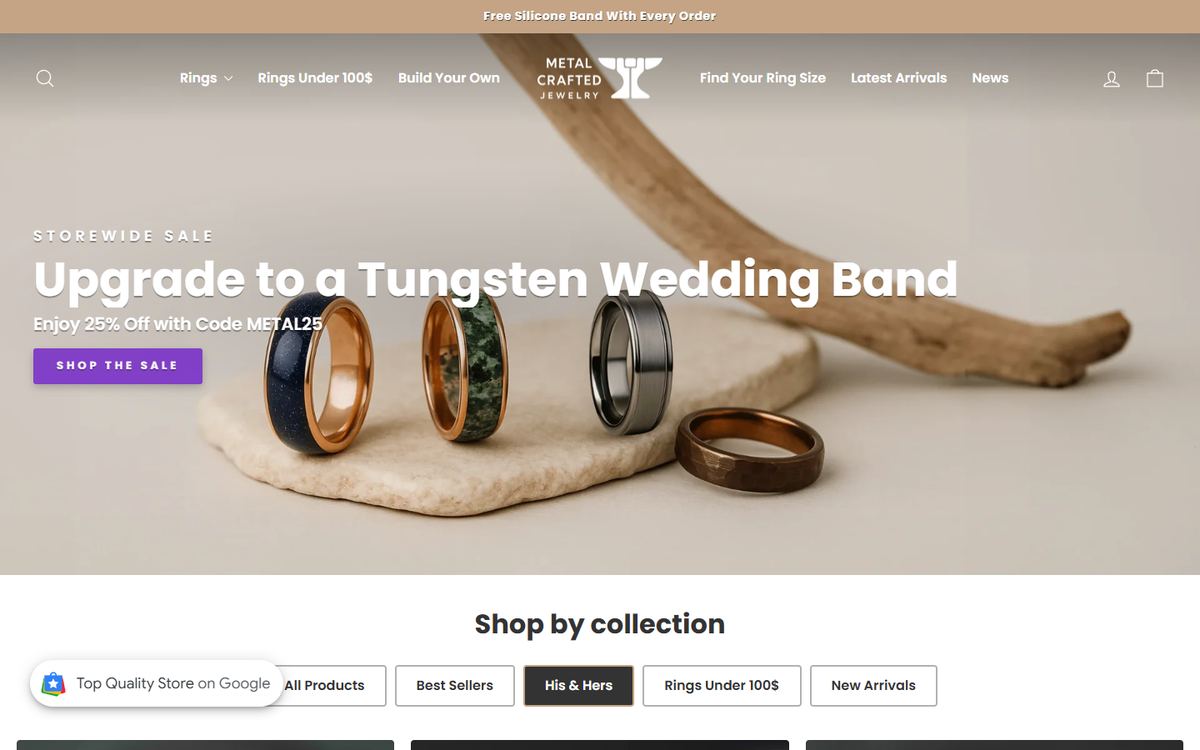
Metal Crafted Jewelry
$2K → $40K a month
A Shopify jewelry store with pages Google was already showing but nobody was clicking. We fixed the pages it already had and monthly sales went from about $2K to about $40K.
Read the case -
In-house · E-commerce
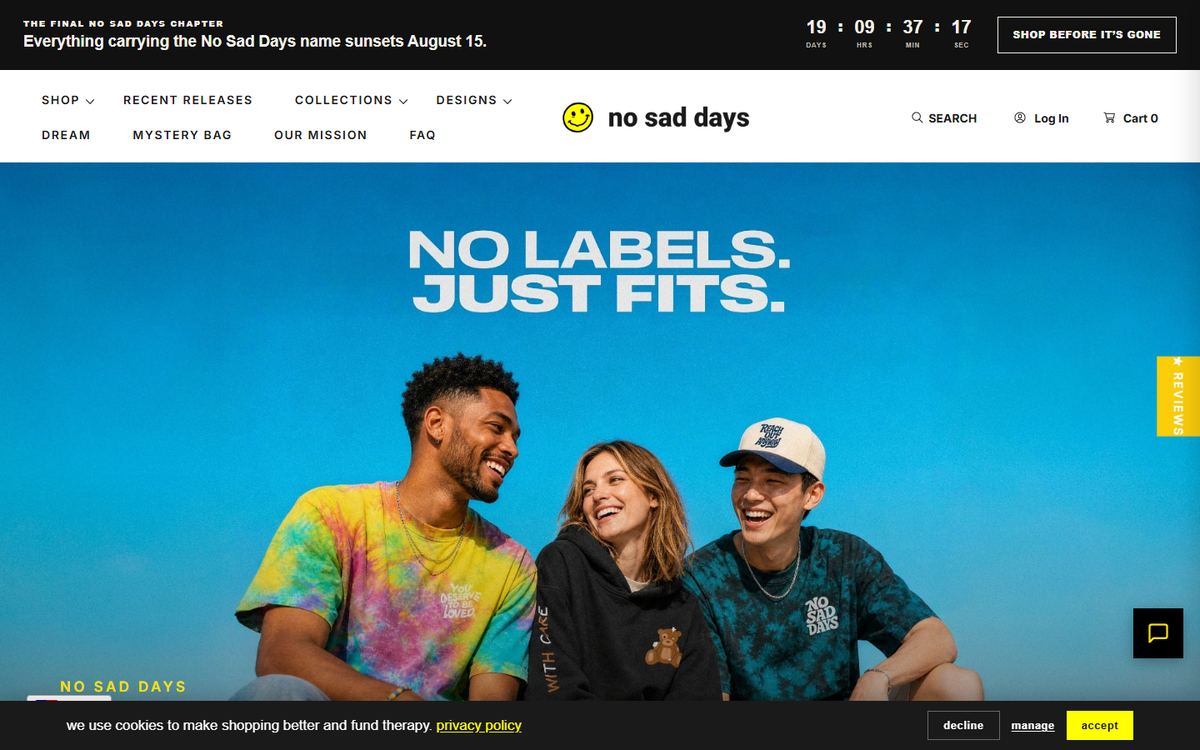
No Sad Days
$704K+ last year
My own streetwear brand. More than $704K in trailing-year sales across 10,224 orders, built on Shopify, Meta ads and Klaviyo email.
Read the case
Ecommerce marketing, in plain terms.
Start with the pages you already have
Most stores I look at do not need more content first. They need the pages they already have to win the click. Search Console usually shows collection pages and articles sitting on page one with thousands of impressions and a handful of clicks. That is the cheapest growth in ecommerce, because Google has already decided the page is relevant.
So the first month is a query-by-query review. I separate indexing problems from ranking problems from click problems, then fix them in that order. Titles get rewritten for the way buyers actually search. Thin collection pages get real copy that answers sizing, materials, shipping and returns. Articles that bring in traffic get product links and a clear path to the right collection.
Paid ads that are judged on purchases
I built and ran No Sad Days with my own money on the line, so I do not grade Meta ads on clicks or reach. The questions are simple: what did a new customer cost, did they come back, and which creative did it. That means purchase tracking that matches Shopify, a steady creative testing routine, and budgets that move toward the ads that actually sell.
Google Shopping and Performance Max come in when your product feed is clean and your margins can carry it. Ad spend is paid directly to Meta or Google. I do not mark it up.
Email is where the profit is
Ads buy the first order. Email earns the second and third. Every store I work on gets the core Klaviyo flows before anything fancy: a welcome series, abandoned cart and browse, post-purchase, and win-back. Then we add campaigns around launches and restocks so your list hears from you when it matters, not every day.
Built for AI shopping answers too
More shoppers now ask ChatGPT, Perplexity or Google's AI answers which product to buy. Those tools pull from pages that state facts plainly: what it is made of, who it is for, what it costs, how it ships. Clean product schema, honest comparison content and consistent brand information across the web help your store get named in those answers. It is the same work that helps normal search, done with more care.
Four steps. No mystery.
- 01
Free call
Thirty minutes on your store, your numbers and what's stalled.
- 02
Real plan
If we're a fit, you get a plan sized to your margins and your ad budget.
- 03
Ship the work
I run it myself. You get me on the phone and on email, not an account manager.
- 04
Report and adjust
Plain-English reports on revenue, orders, cost per purchase and rankings.
Common questions.
Do you only work with Shopify stores?
Shopify is where I have done most of my work, including my own brand. I can also help stores on WooCommerce or other platforms, but I will tell you on the first call if your platform is the real problem.
Should I start with SEO or ads?
If you need sales this month, ads. If you already have pages getting impressions, SEO on those pages is usually the cheapest win. Most stores do best with both, which is what the Growth plan covers.
Will a redesign hurt my rankings?
It can if URLs change without redirects. I keep every URL that already ranks, or redirect it one to one, and check Search Console after launch.
Do you make the ad creative?
I write the concepts and hooks, test them, and work with your product photos, customer content and creators. If you need a full photo or video shoot, I will scope that separately.
What does it cost?
Foundation is $1,500 a month for SEO, AEO/GEO and site cleanup. Growth is $2,500 a month and adds Meta and Google ads. Full-service is $5,000 a month and adds a full store rebuild. Month to month, and ad spend is paid directly to Meta or Google. See the pricing page for details.